

Managed Services Cybersecurity Protection | FortiOS Vulnerability Response Melbourne
How Intellect IT’s managed services cybersecurity protected Melbourne clients from FortiOS vulnerability FG-IR-24-535. Proactive threat detection and prevention.

In today’s rapidly evolving digital landscape, organisations are increasingly adopting AI solutions to enhance productivity and streamline operations. The Intellect IT team have strategically chosen Microsoft Copilot as our preferred AI solution for client environments. This decision stems primarily from one crucial factor: the ability to maintain search data within the Microsoft tenancy rather than exposing it to the public domain.
Microsoft has implemented robust security measures around its tenancy and AI search capabilities. Copilot’s architecture is designed to ensure that searches and data remain within the client’s tenancy, creating a secure and controlled environment. This approach is particularly vital for businesses handling sensitive information, as it significantly reduces the risk of data breaches and unauthorised access. By keeping searches within the tenancy, Copilot has generally succeeded, though like all emerging technologies, occasional bugs and fixes are part of the development journey.
While Copilot prioritises data security, it’s important to understand how information might traverse tenancy boundaries:
Prompts and Responses: User prompts to Copilot are processed within the client’s tenancy. However, when data sharing features are enabled, certain information may be shared across tenancies to improve service delivery.
At Intellect IT, we acknowledge that Microsoft Copilot is a premium service, unlike some AI alternatives offering free or freemium models. The subscription cost reflects Copilot’s advanced capabilities, seamless integration with Microsoft 365 applications, and enhanced security features.
A standout feature of Microsoft Copilot is its ability to switch effortlessly between work and web searches. This functionality enables users to access both internal and external information without leaving the Copilot interface. Employees can quickly retrieve company-specific documents or policies while simultaneously searching the web for relevant industry insights or research. This dual capability enhances productivity by providing a comprehensive search experience tailored to specific user requirements.
While AI technology has made remarkable progress, it’s crucial to recognise its continuing evolution. Users must exercise caution and verify the accuracy of AI-provided information, particularly regarding time-sensitive or factual data. AI models like Copilot are continuously learning and improving, but human oversight remains essential to ensure information reliability.
One of the most compelling advantages of Microsoft Copilot is the significant time savings it delivers. By automating routine searches and providing instant information access, Copilot allows staff to focus on strategic initiatives. This enhanced efficiency translates to higher return on investment for businesses. Rather than spending hours sifting through documents, employees can rely on Copilot to retrieve relevant information in seconds, enabling faster decision-making and improved productivity.
Despite its numerous benefits, Microsoft Copilot faces challenges when processing large volumes of documents or data. The sheer quantity of information can occasionally overwhelm the AI, resulting in slower response times or reduced accuracy. Organisations must acknowledge these limitations and implement effective strategies for managing large data sets. Approaches might include segmenting data into smaller, more manageable portions or utilising complementary tools alongside Copilot.
At Intellect IT, we have directed our staff to use Microsoft Copilot as our preferred AI solution and part of our AI Policies at Intellect IT until more robust and clearly defined policies are established for managing emerging AI technologies. Nevertheless, as with any developing technology, users must remain vigilant in verifying information and mindful of its limitations. By leveraging Copilot’s capabilities while acknowledging its constraints, businesses can maximise productivity and achieve significant returns on their technology investments.
How Intellect IT’s managed services cybersecurity protected Melbourne clients from FortiOS vulnerability FG-IR-24-535. Proactive threat detection and prevention.
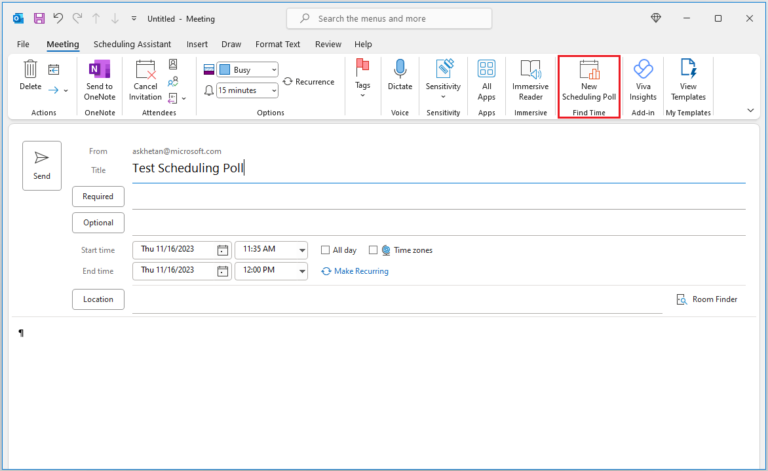
Master scheduling polls for Melbourne businesses. Complete guide to Outlook scheduling polls, meeting productivity, and time-saving meeting organisation tools.

Assessing Windows on ARM for enterprise use in Melbourne. Intellect IT shares real-world testing insights on performance, compatibility, & readiness for business.
Intellect IT selected Microsoft Copilot primarily because it maintains search data within the client’s Microsoft tenancy rather than exposing it to the public domain. This architecture provides enhanced security and control, particularly crucial for businesses handling sensitive information and proprietary data.
Microsoft Copilot implements robust security measures that keep searches and data within the client’s tenancy ecosystem. The architecture is designed to create a secure, controlled environment that significantly reduces the risk of data breaches and unauthorised access, though like all emerging technologies, occasional bugs may occur during development.
Microsoft Graph data, including emails, chats, and documents, remains within the client’s tenancy. User prompts and responses are processed within the tenancy, ensuring proprietary information stays protected. System-generated logs are also primarily stored within the client’s tenancy.
While Copilot prioritises keeping data within the tenancy, certain information may be shared in specific circumstances. When data sharing features are enabled, some information might be shared across tenancies to improve service delivery. Additionally, some system logs may be shared with Microsoft for security compliance purposes.
Microsoft Graph serves as the interface through which Copilot accesses organisational content like emails, chats, and documents. This data remains within the client’s tenancy, creating a secure boundary that ensures proprietary information doesn’t leave the organization’s protected environment.
Microsoft Copilot is designed with enterprise-grade privacy features. However, users should remain vigilant as with any AI technology. The tenancy-based approach significantly reduces privacy risks compared to public AI tools, but organisations should still implement appropriate usage policies and monitoring.